A partial history of the serotonin literature
Writing a short history of the serotonin literature is a daunting task, not because the history of the field is especially long, but because it is so complicated.
From humble beginnings as a nuisance that causes blood vessel contraction (Whitaker-Azmitia, 1999; open access), serotonin is now believed to be involved in everything from the circadian rhytm to locomotor gain to escape reflexes. Thanks to antidepressants and certain recreational drugs, the best known function of serotonin is probably its involvement in regulating mood, although the very concept of mood is difficult to pin down and the extent of serotonin's involvement remains controversial.
My personal area of interest is in the reward learning slice of the serotonin field. Ever since Schultz, Dayan, and Montague established a connection between the activity of dopamine neurons and reward prediction error in the late 1990s, serotonin researchers have been hoping for a similar watershed moment. Disappointingly, more than twenty five years later, this corner of the serotonin field still has not coalesced.
Instructions
This page represents my attempt at a partial history of the reward learning part of the serotonin literature. Each dot represents a paper that I consider influential (even if I don't personally buy the main claims), arranged from left to right according to publication date. The size of the dot represents the average number of Google Scholar citations per year, which is not a great measure of impact but is the best I could come up with for a blog post, and lines connect dots that I think follow the same conceptual thread.
Hover your cursor over the labels below to highlight papers with similar ideas, then click on the dots for details about individual papers. Refresh the page to get back to this screen.
Opponent interactions between serotonin and dopamine
Influential ideas:
- Serotonin is involved in aversion.
- Phasic and tonic firing.
Coding of task reward value in the dorsal raphe nucleus
Influential idea: serotonin is involved in reward.
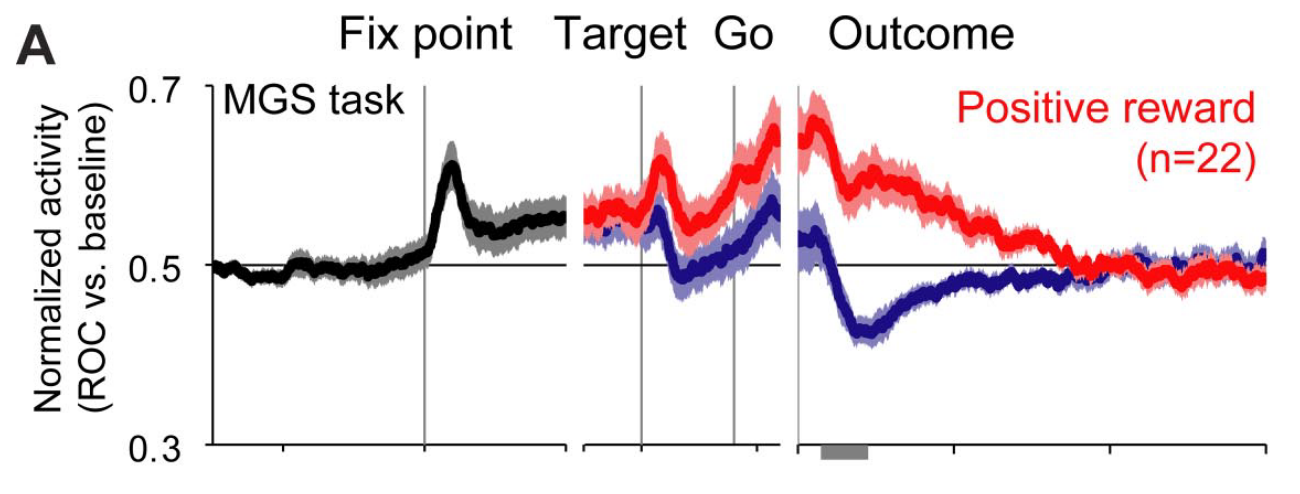
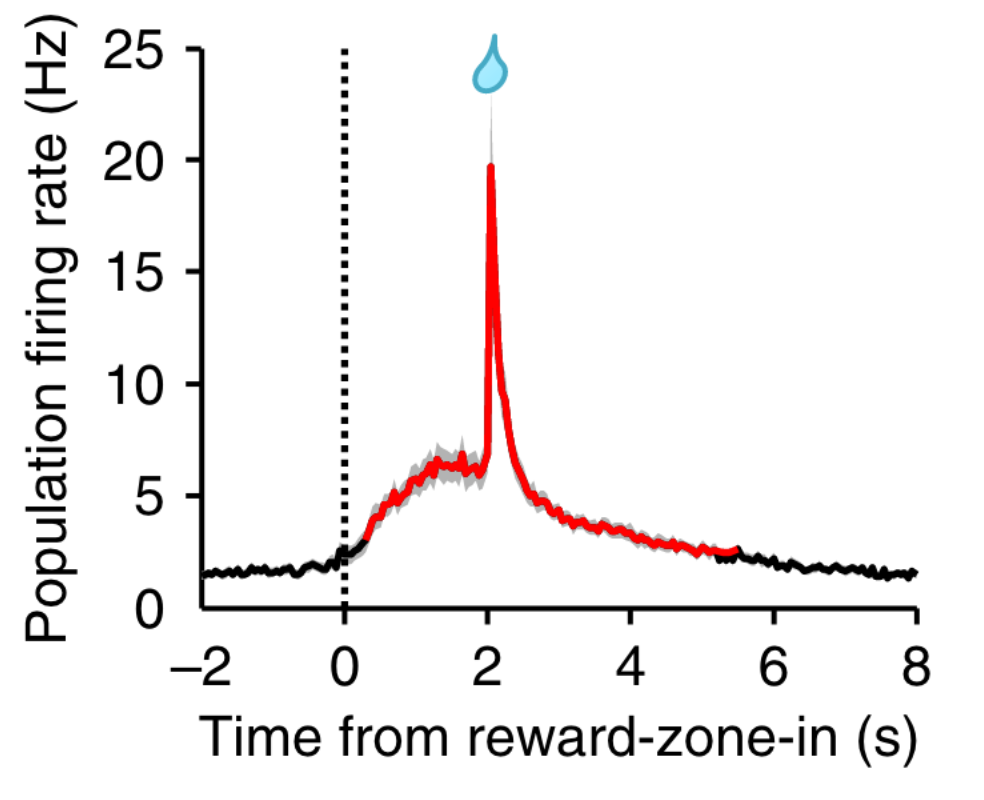
Serotonin neurons in the dorsal raphe nucleus encode reward signals
Influential idea: serotonin is involved in reward and is mildly reinforcing.
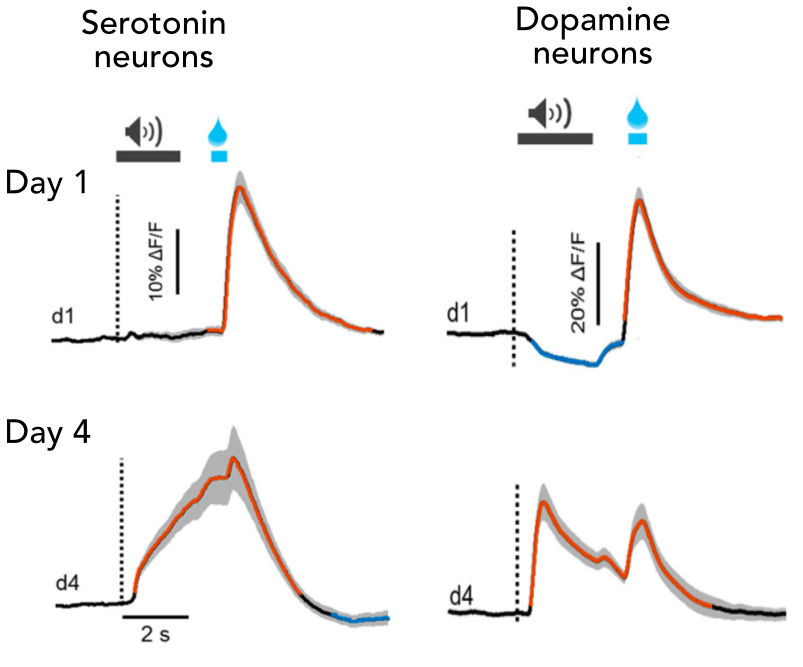
Learning and stress shape the reward response patterns of serotonin neurons
Influential ideas:
- Serotonin and dopamine are both involved in reward.
- Head-fixed and freely-moving experiments are hard to compare.
Details
In this work, Zhong et al. measure the activity of DRN serotonin and VTA dopamine neurons as mice learned to associate a cue with a reward. Using fiber photometry to measure the bulk calcium activity of each population of neurons in freely-moving animals, they show that dopamine neurons initially exhibit a strong reward response that gradually transfers to the cue, as expected for a reward prediction error, while serotonin neurons exhibit a constant response to the reward itself and a pre-reward ramp that emerges gradually over the course of learning. These observations are very important for reinforcement learning-based theories of serotonergic function, because they suggest that serotonin neurons are involved in signalling expected future reward, rather than surprise or a prediction error.
The idea that serotonin neurons encode reward expectation rather than punishment or surprise contrasts with ideas in another branch of the serotonin literature. Possibly in an effort to reconcile these ideas, the authors also show that various sources of stress, including head restraint used routinely in the branch of the literature in question, dramatically suppress the responses of both serotonin and dopamine neurons. Exactly how this suppression could produce the appearance of a surprise or punishment code remains unclear.
Transient firing of dorsal raphe neurons encodes diverse and specific sensory, motor, and reward events
Influential ideas:
- Phasic firing exists.
- Tuning features are messy.
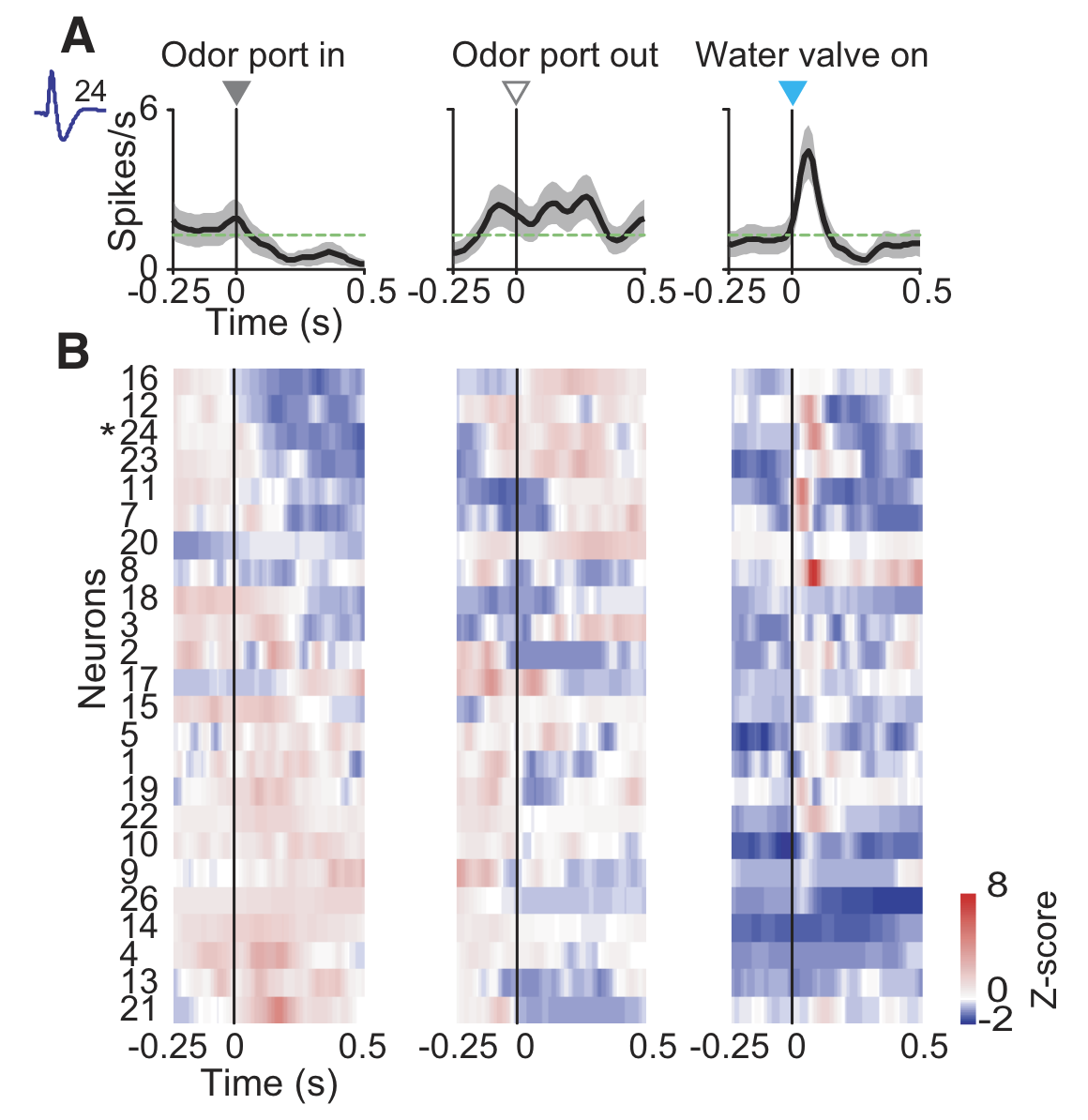
Serotonergic neurons signal reward and punishment on multiple timescales
Influential ideas:
- Tonic and phasic firing are involved in reward and punishment in different ways.
- Tuning features are really messy.
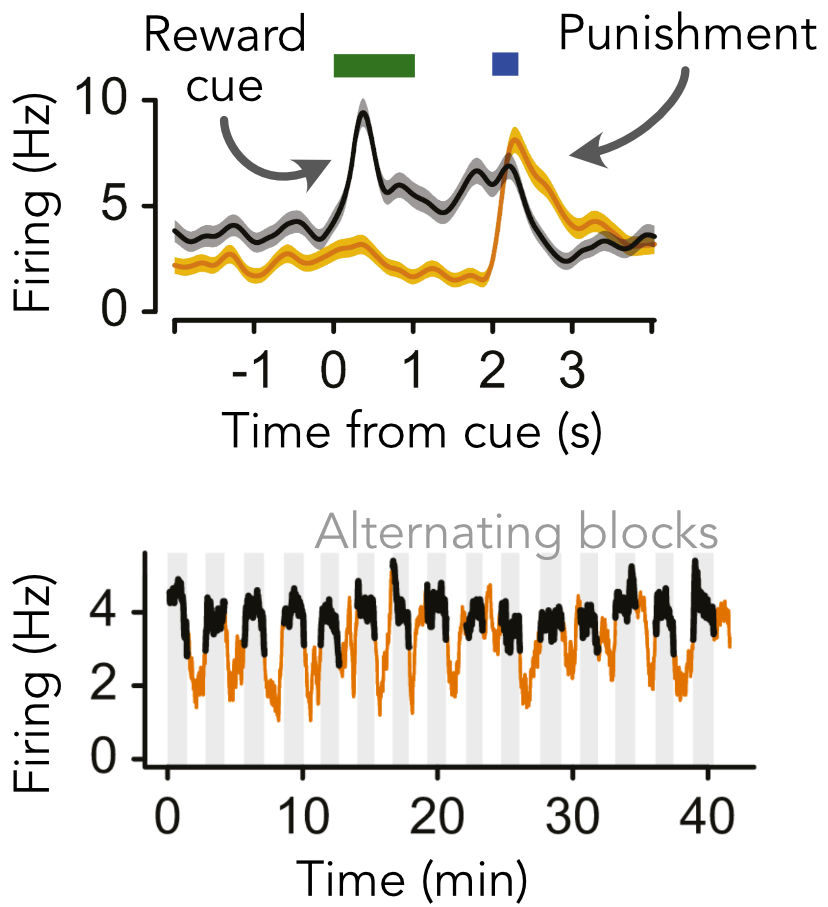
Activity patterns of serotonin neurons underlying cognitive flexibility
Influential idea: serotonin neurons do not signal reward or punishment, they signal surprise to modulate learning.
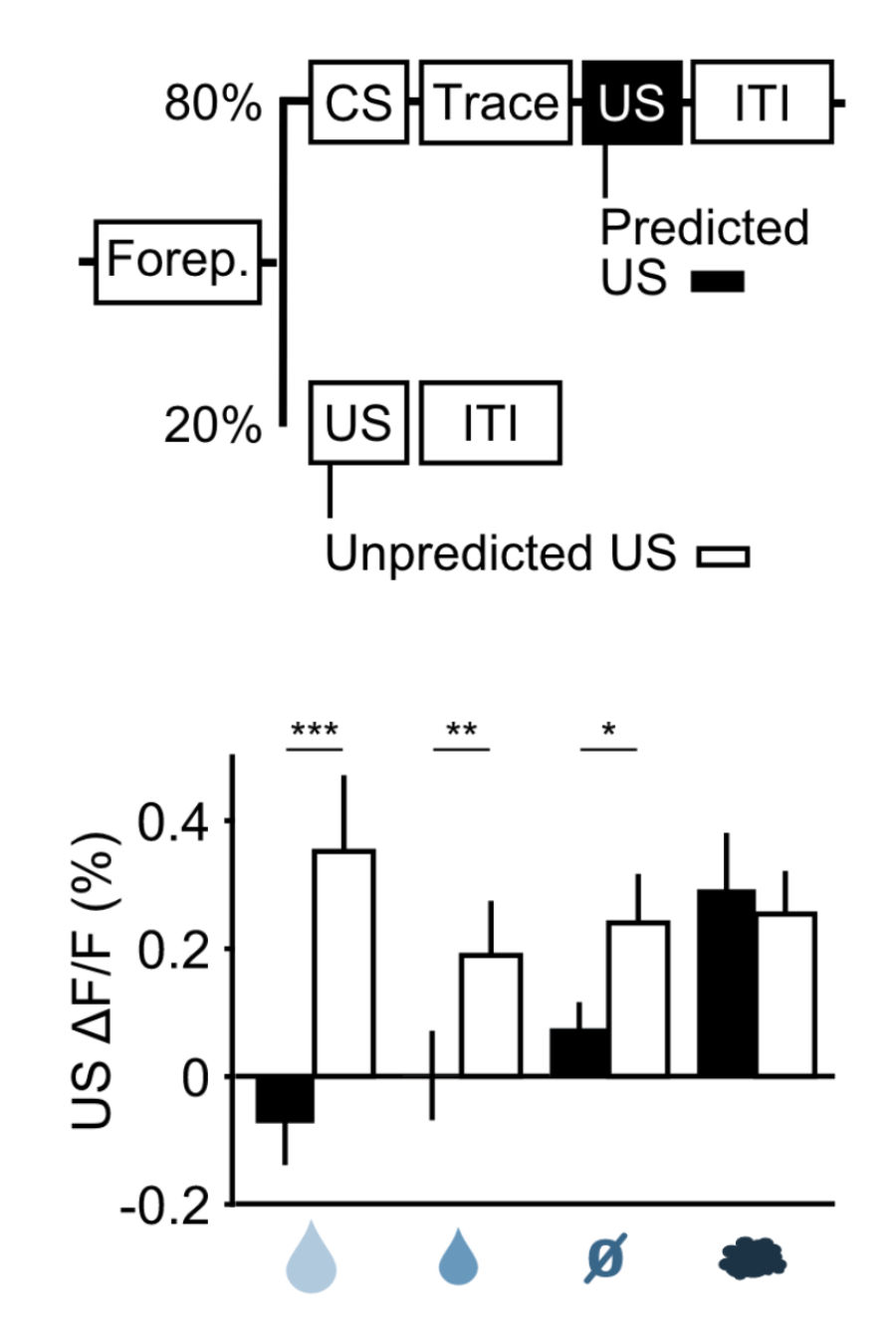
An effect of serotonergic stimulation on learning rates for rewards apparent after long intertrial intervals
Influential ideas:
- Serotonin is not reinforcing.
- Serotonin modulates learning.
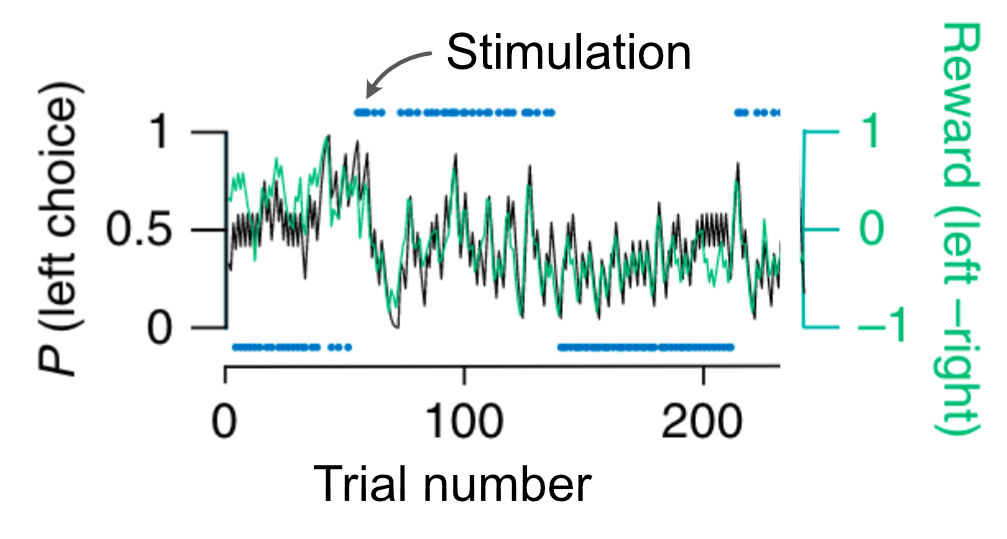
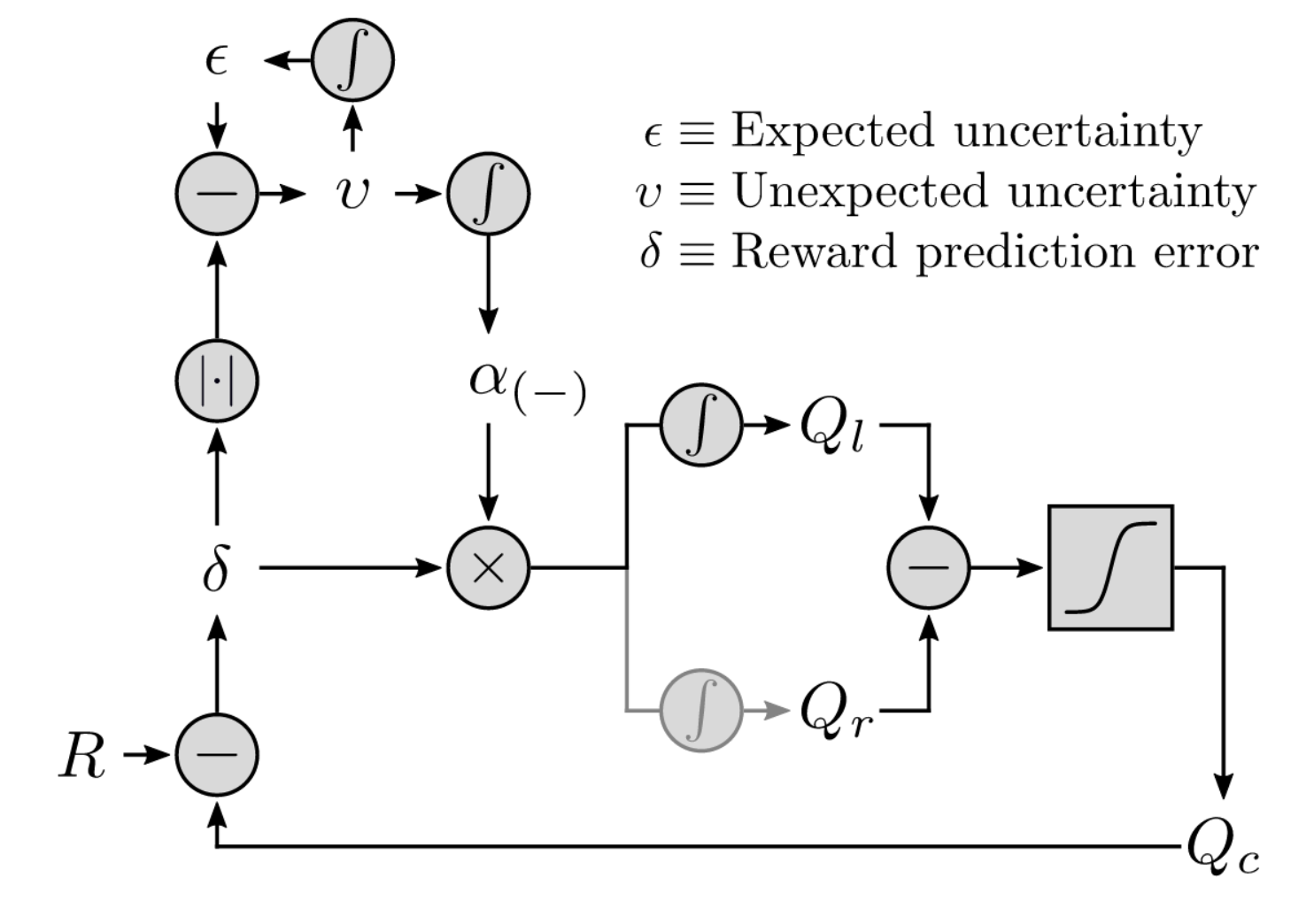
Serotonin neurons modulate learning rate through uncertainty
Influential ideas:
- Serotonin signals something aligned to surprise/certainty, not reward/punishment.
- Serotonin modulates learning.
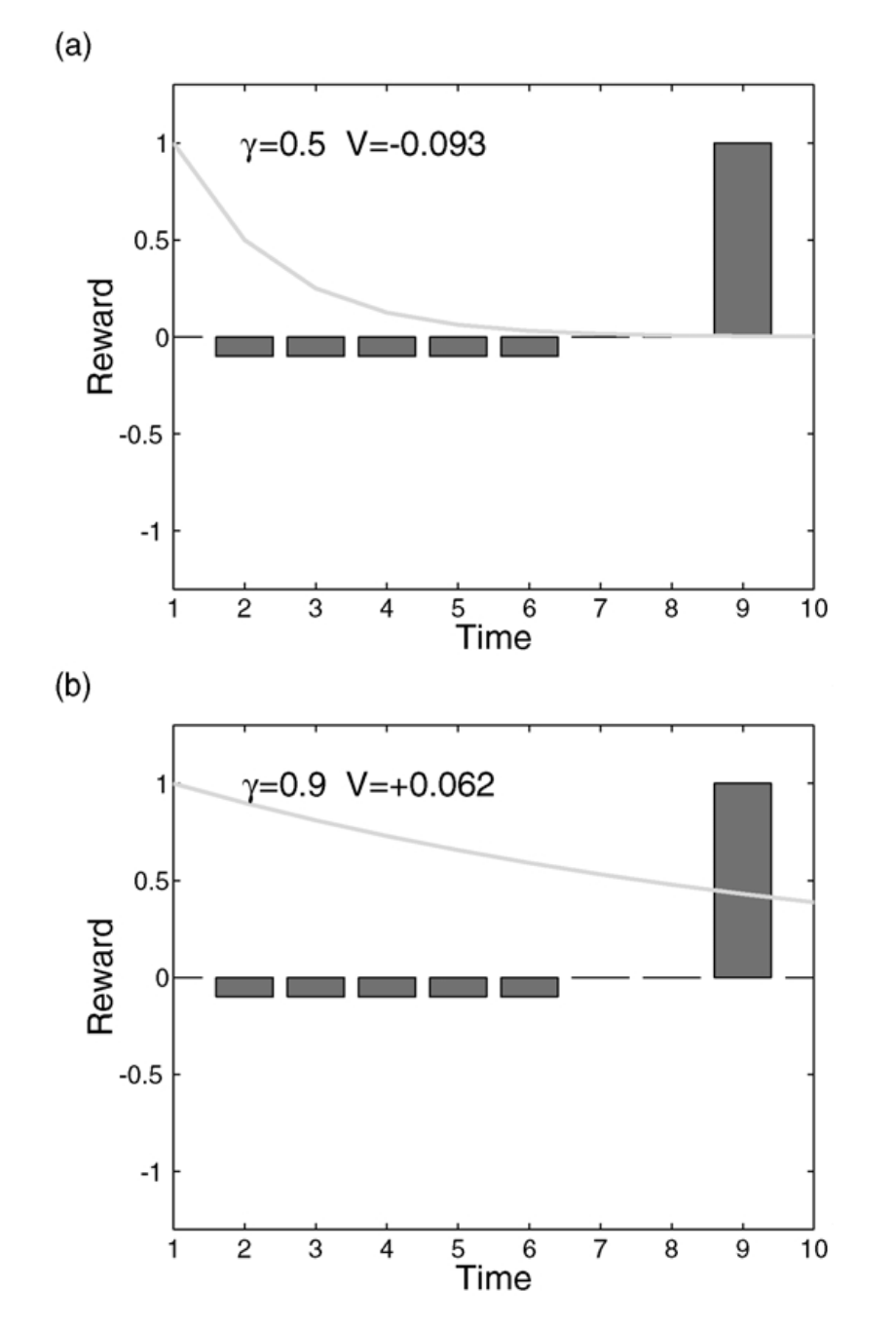
Metalearning and neuromodulation
Influential idea: serotonin modulates perceived immediacy of future rewards.
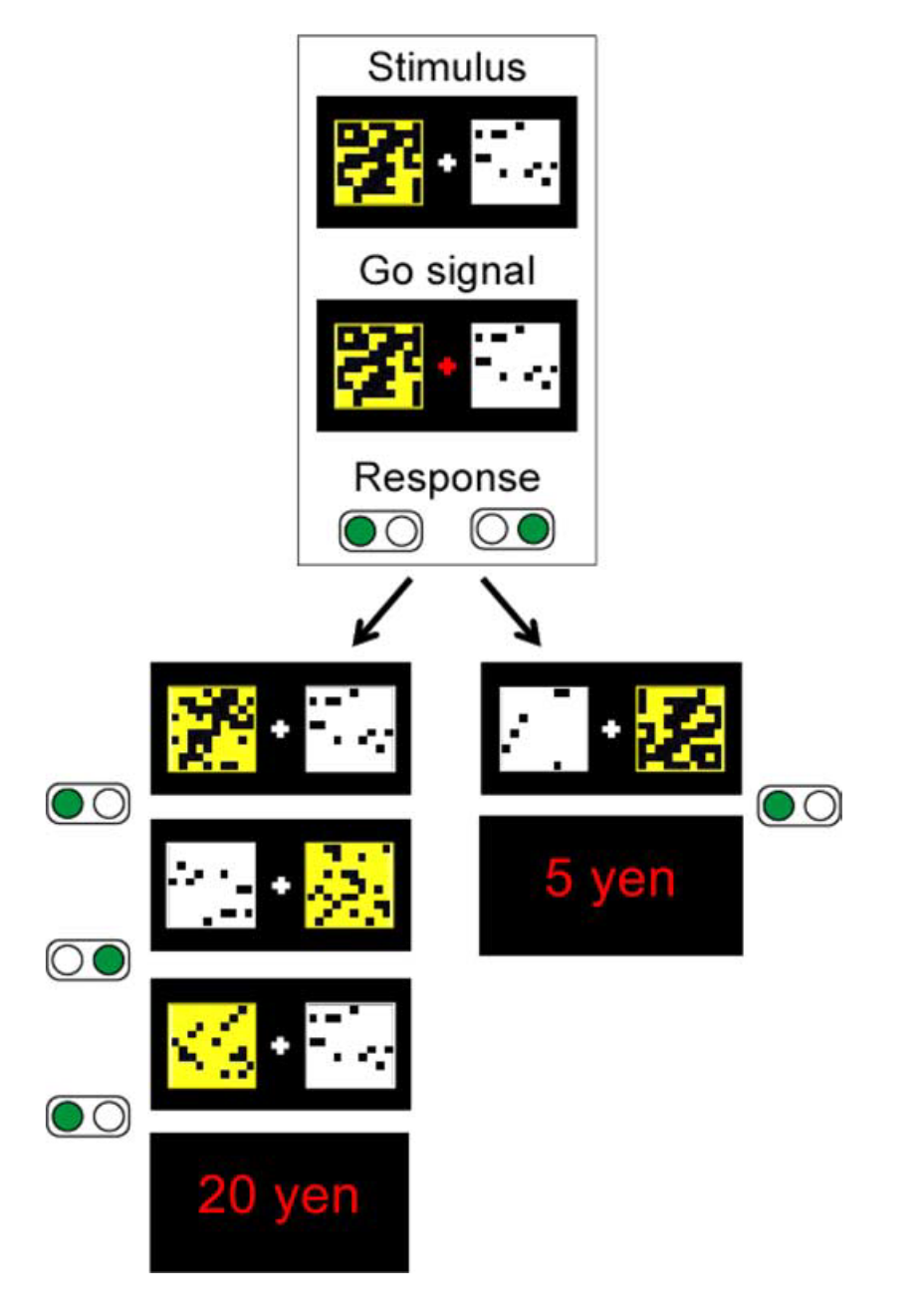
Low-serotonin levels increase delayed reward discounting in humans
Influential idea: serotonin modulates perceived immediacy of future rewards.
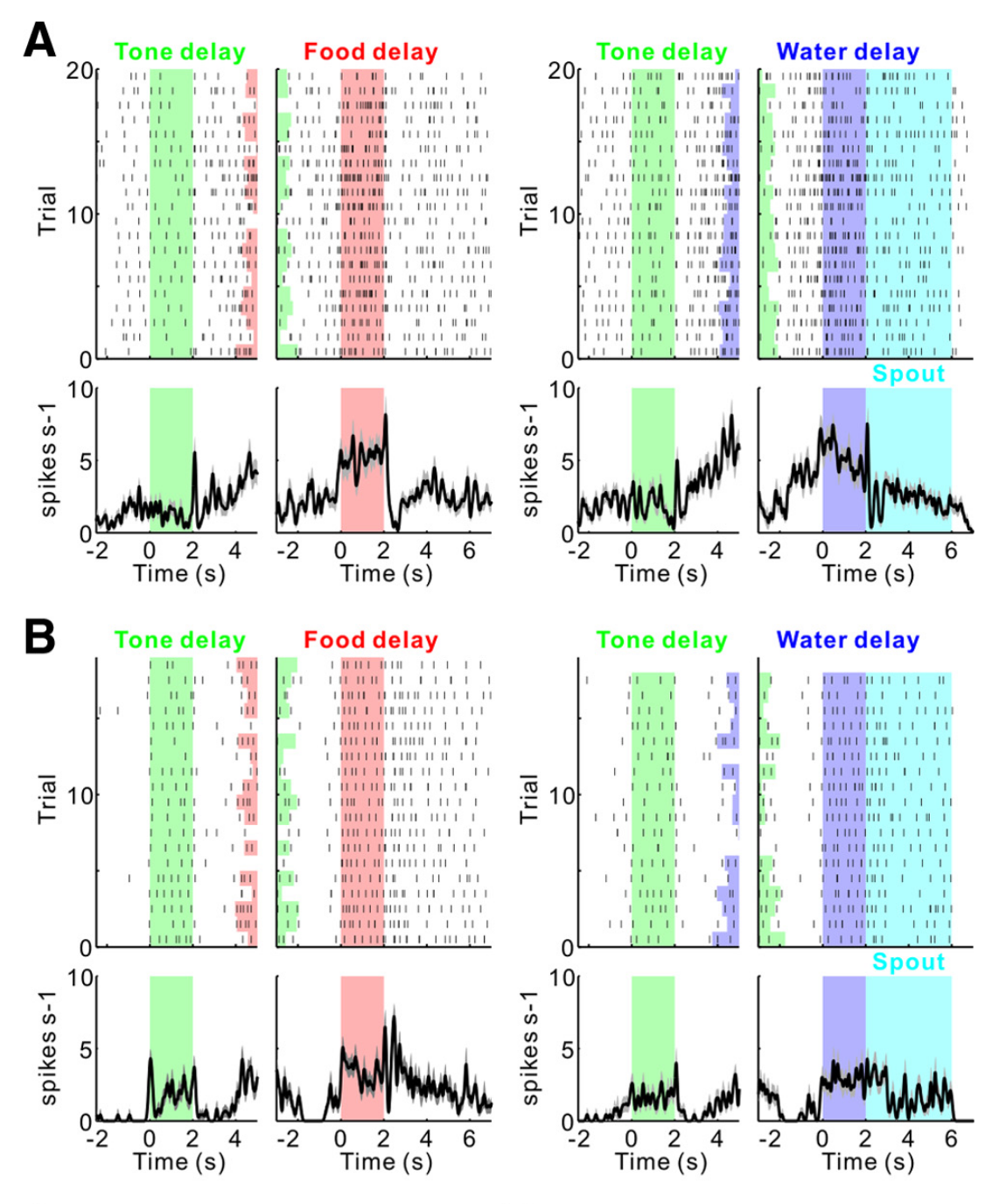
Activation of dorsal raphe serotonin neurons underlies waiting for delayed rewards
Influential idea: serotonin neuron activity supports waiting for future reward.
Activation of serotonin neurons promotes active persistence in a probabilistic foraging task
Influential idea: waiting effects are not due to behavioural inhibition.
Details
A series of optogenetic studies in rodents showed that activating serotonin neurons promotes passive waiting for delayed rewards. While these results have been interpreted as evidence that serotonin promotes patience or persistence, it could also be that dorsal raphe serotonin neurons simply decrease locomotor activity. In this work, Lottem et al. show that optogenetically activating serotonin neurons increases active reward seeking behaviour (nose poking), supporting an effect of serotonin on patience or persistence rather than locomotor inhibition.
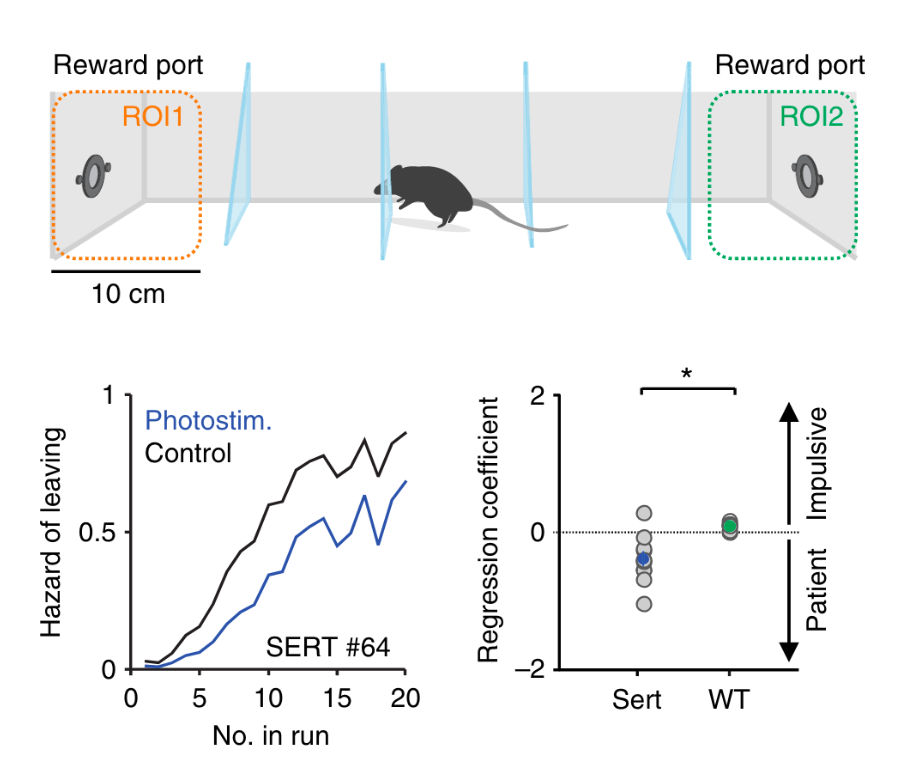
Reward probability and timing uncertainty alter the effect of dorsal raphe serotonin neurons on patience
Influential idea: serotonin may encode prior probability of reward.
The differential effect of optogenetic serotonergic manipulation on sustained motor actions and stationary waiting for future rewards in mice
Main idea: waiting effects might be due to behavioural inhibition?
Dorsal raphe neurons integrate the values of reward amount, delay, and uncertainty in multi-attribute decision-making
Main idea: dorsal raphe neurons encode future reward, but it's complicated.
Raphe serotonin neurons are not homogenous: Electrophysiological, morphological and neurochemical evidence
Influential idea: serotonin neurons are variable on a cellular level.
Details
In computational and systems neuroscience, a neural system usually refers to a group of neurons with a common function in terms of behaviour, perception, or cognition (for example, the visual system). In other areas of neuroscience, the term system might refer to parts of the brain that express a common molecular marker but with diverse effects on behaviour, etc. (for example, the endocannabinoid system). This work represents an early example of an ongoing shift in the serotonin literature away from the idea that the dorsal raphe can be seen as a neural system in the computational and systems neuroscience sense.
In this work, the authors show that serotonin neurons in different parts of the dorsal raphe nucleus (and in the dorsal vs. median raphe nuclei) have different biochemical, morphological, and electrophysiological features. While there is overlap in the properties of neurons from different raphe sub-regions, this work marks an important step towards a "glass half heterogenous" view of the raphe.
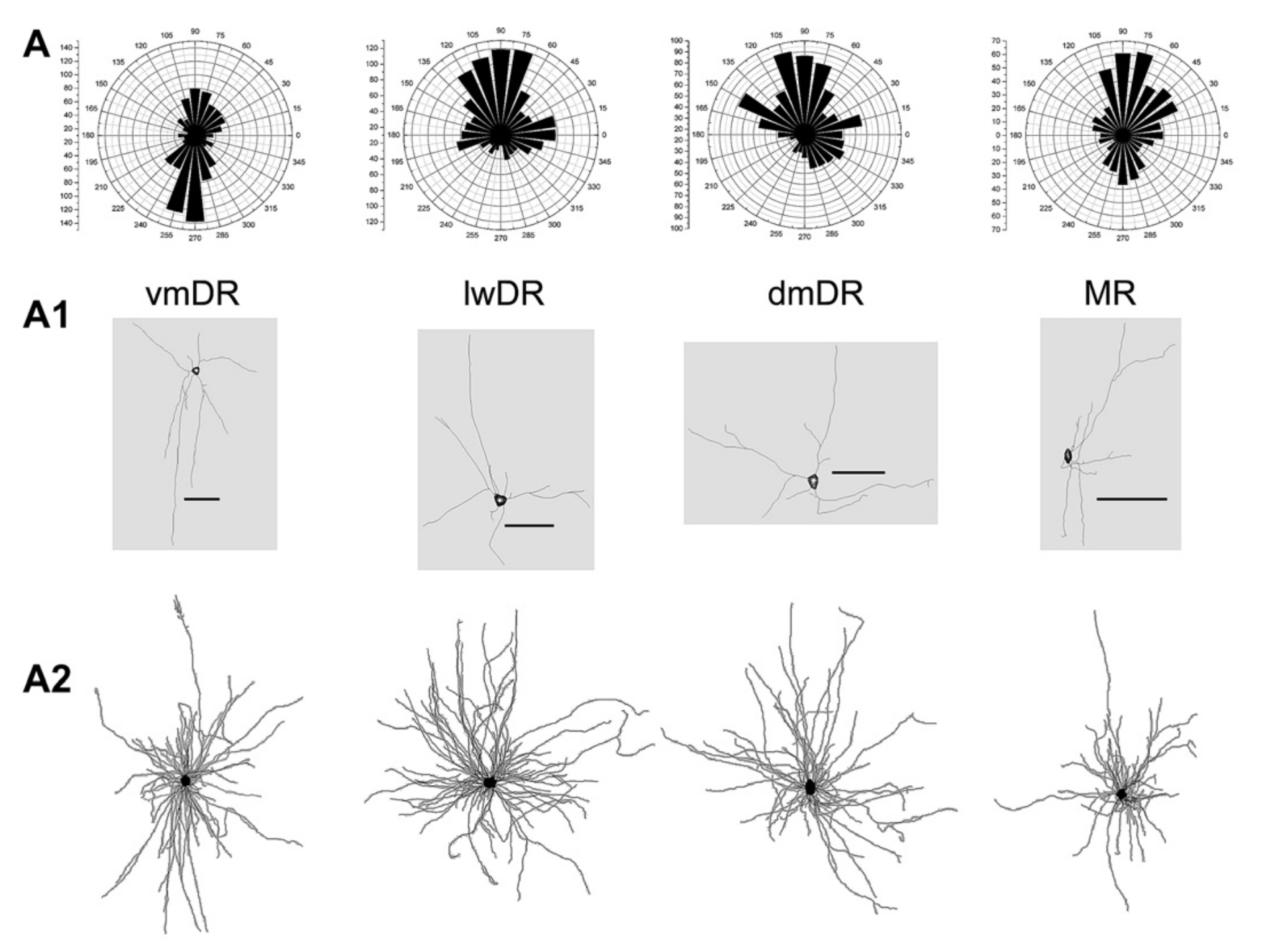
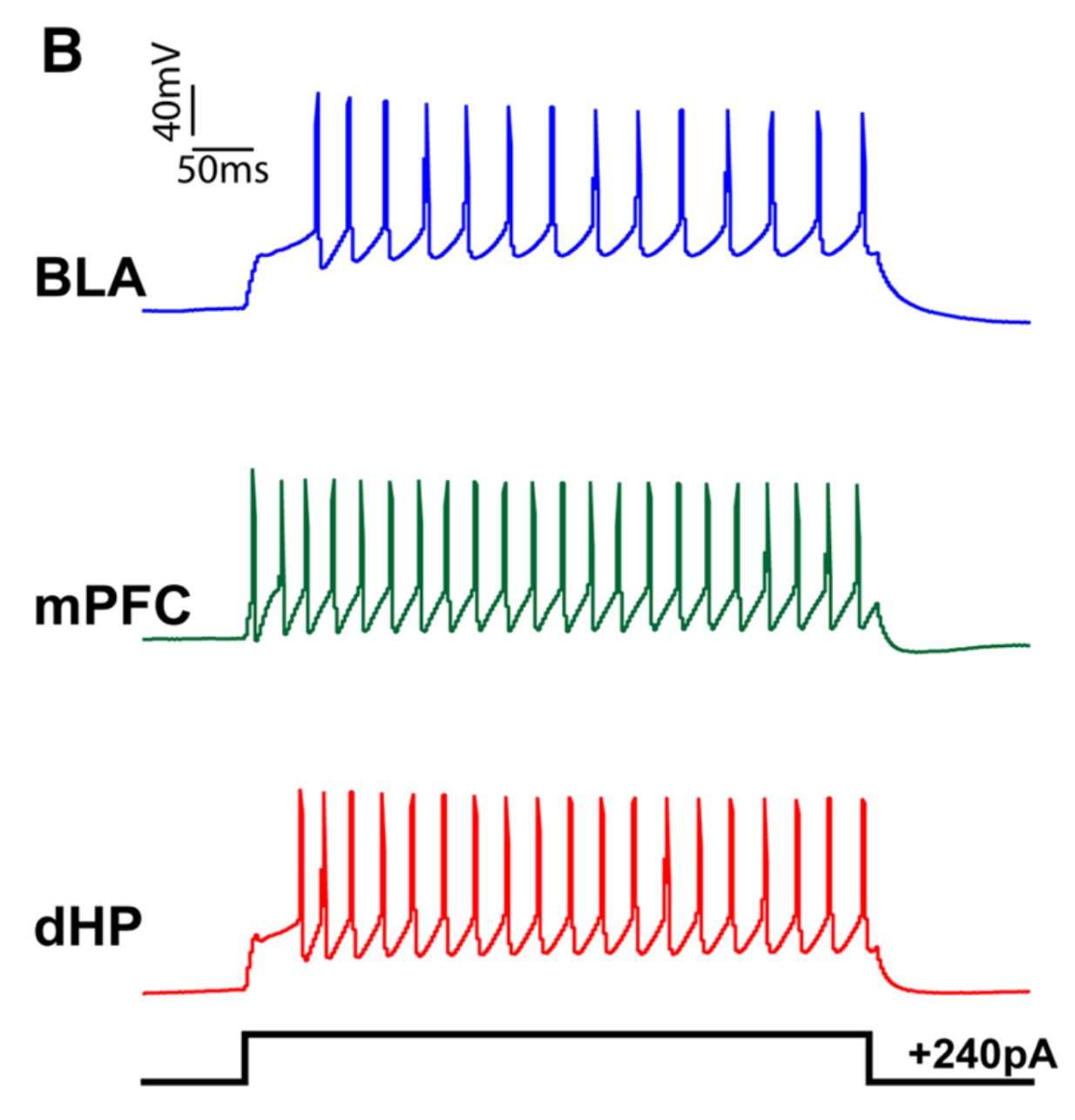
Multiscale single-cell analysis reveals unique phenotypes of raphe 5-HT neurons projecting to the forebrain
Fernandez et al., 2016 (Open access)
Influential idea: serotonin neurons projecting to different regions have different properties.
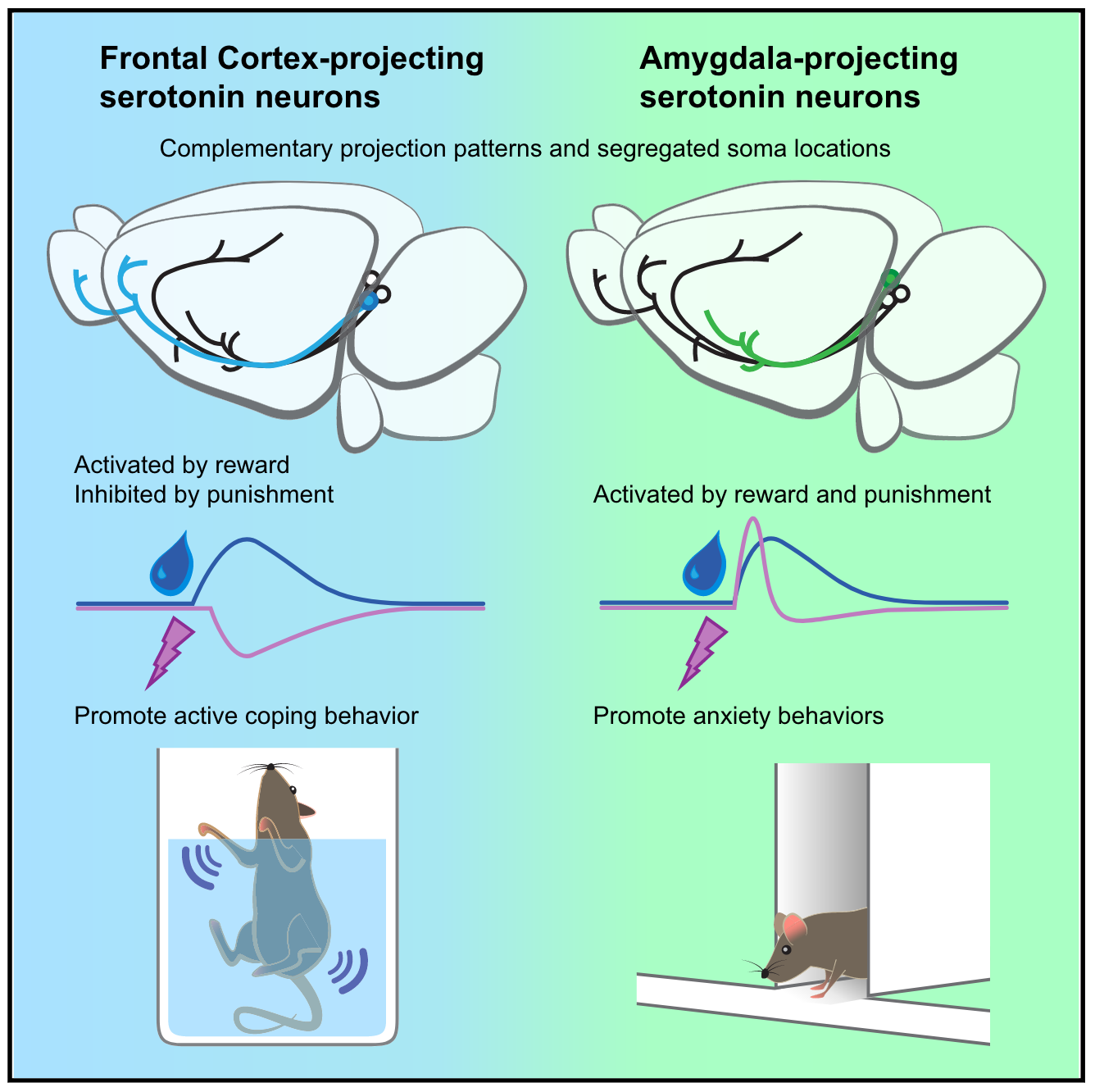
Anatomically defined and functionally distinct dorsal raphe serotonin sub-systems
Influential idea: there is no single serotonin system.
Details
If there were a single part of the brain we could point to and call "the serotonin system" in a computational and systems neuroscience sense (see details related to Calizo et al., 2011), the dorsal raphe nucleus would be it. Here, Ren et al. make the case that not even the dorsal raphe fits the bill.
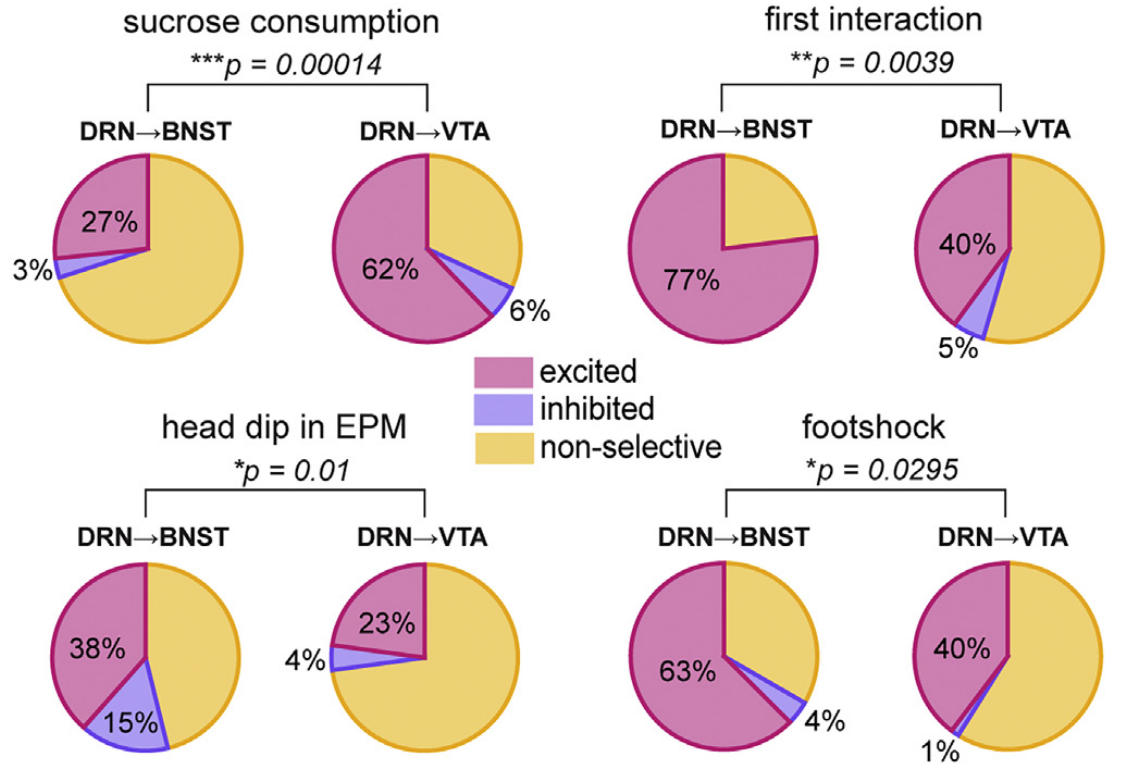
Much like the earlier work of Fernandez et al., Ren et al. show that dorsal raphe serotonin neurons projecting to the amygdala and frontal cortex are mostly not the same cells, are generally located in different parts of the raphe, and receive somewhat different inputs. Ren et al. take these results a step further by showing that these two groups of neurons display different responses to rewarding and aversive stimuli, and that optogeneticaly activating them has different behavioural effects.
The idea that serotonin neurons within the dorsal raphe are at least somewhat specialized is now impossible to ignore.
Single-cell activity and network properties of dorsal raphe nucleus serotonin neurons during emotionally salient behaviors
Influential idea: there is no single serotonin system and it's complicated.
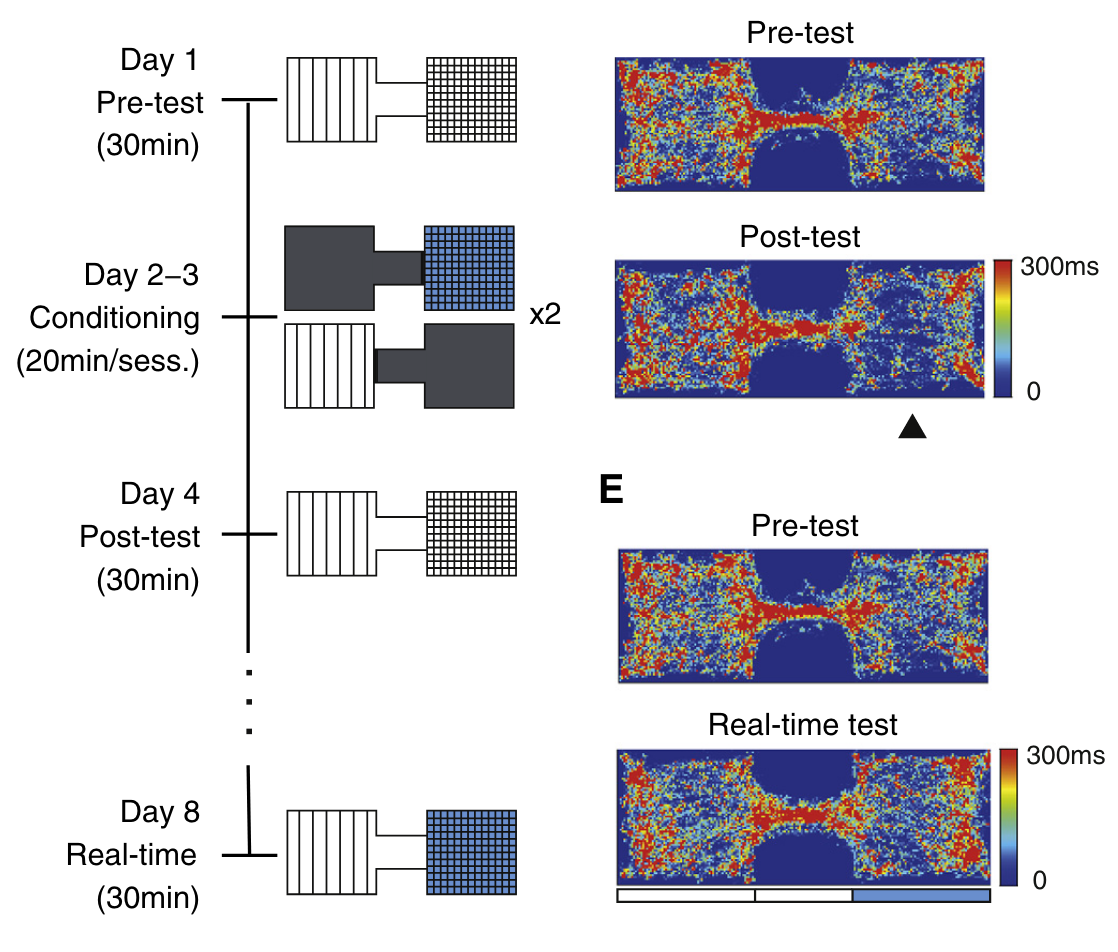
Activation of dorsal raphe serotonergic neurons promotes waiting but is not reinforcing
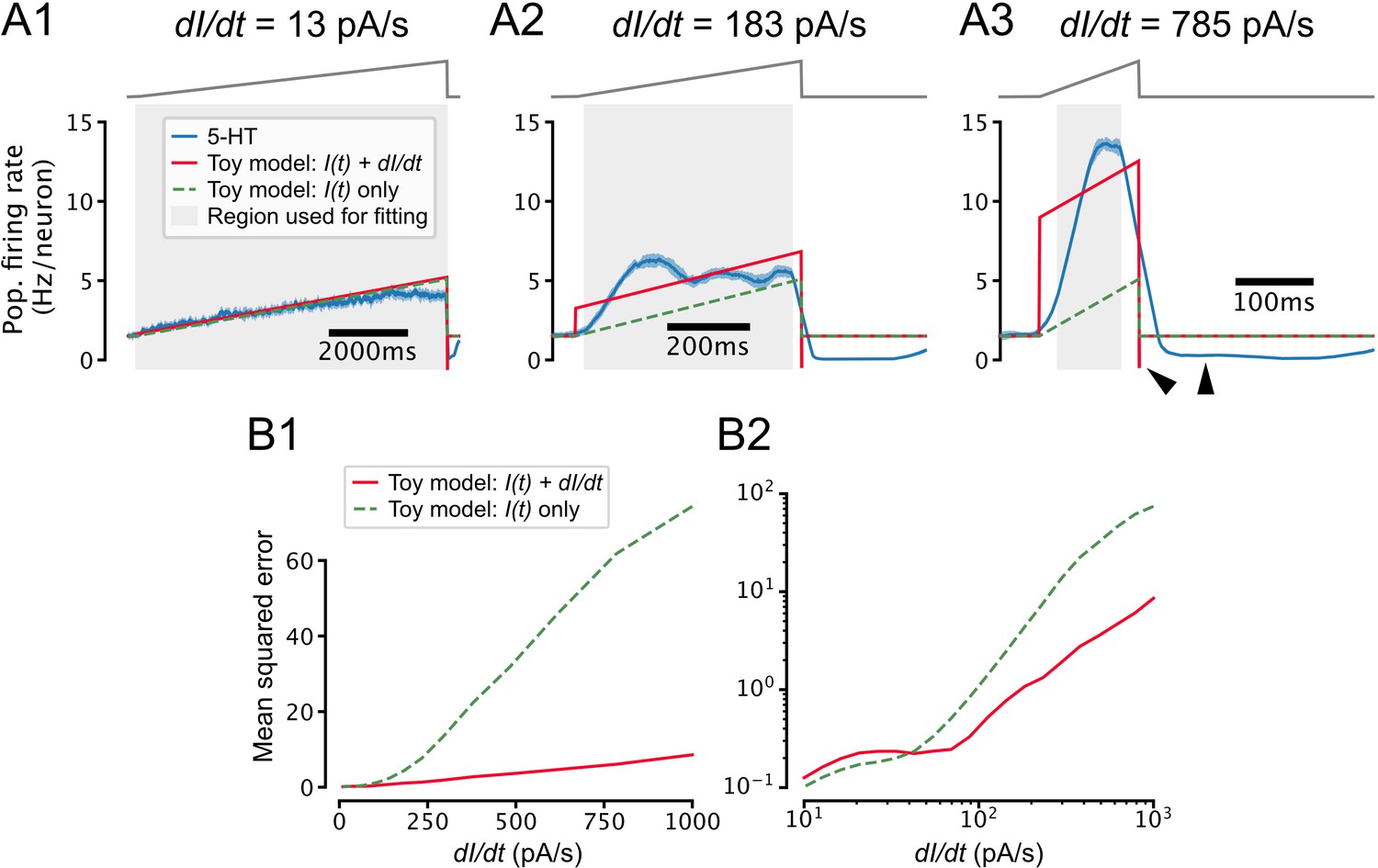
Temporal derivative computation in the dorsal raphe network revealed by an experimentally driven augmented integrate-and-fire modeling framework
Main ideas:
- Serotonin neurons output the rate of change of their input.
- There is complexity, but computational relevance is not clear.